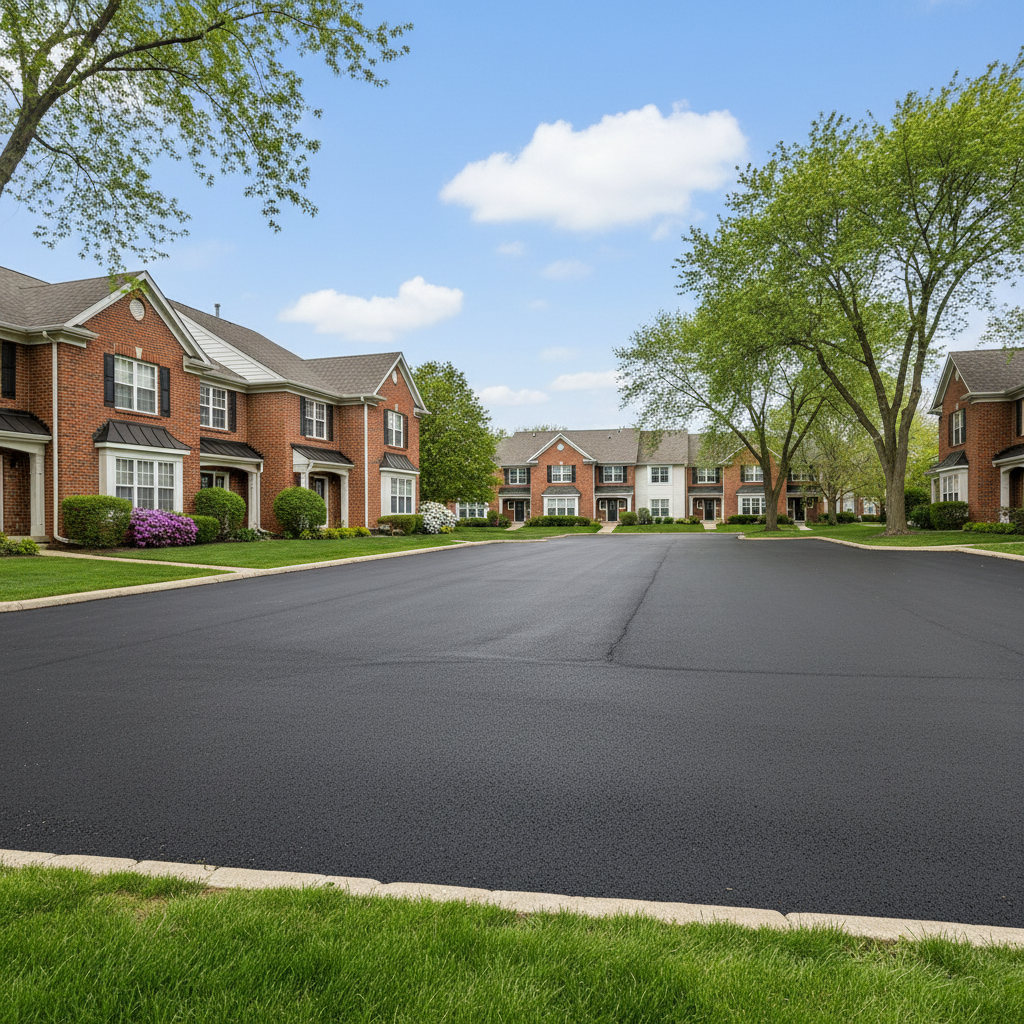
Running a business in Franklin Park? You've got a ton on your plate, I get it. The last thing you need is your parking lot turning into a pothole minefield or, even worse, looking like a patchwork quilt. Your commercial asphalt isn't just pavement; it's a huge part of your business's first impression, really, and a pretty significant investment. I've seen too many businesses let their asphalt go, and believe me, fixing it then costs way more than just keeping up with it.
Making Your Asphalt Last Longer
You want your asphalt to last, right? Of course. It's not rocket science, but it does take a little proactive thinking. The biggest thing you can do to extend its life is protect it from water and UV rays. Water is the enemy of asphalt, especially when it gets into cracks and freezes — which, let's be honest, we see plenty of here in Illinois. Those freeze-thaw cycles we get every winter can truly wreak havoc if your pavement isn't sealed up tight.
Sealcoating is your first line of defense. Think of it like sunscreen and a waterproof jacket for your pavement. It protects the asphalt binder from oxidizing in the sun and stops water from seeping into those tiny surface cracks. Doing this every 2-3 years, depending on traffic and how harsh the previous winter was, makes a huge difference. It's a small cost upfront that saves you from needing a full repave much sooner, wouldn't you say?
Another thing is proper drainage. If you've got standing water in your lot after a rain, that's a problem. It softens the asphalt, wears it down faster, and eventually leads to potholes. Make sure your catch basins are clear and that water is actually flowing off the lot, not collecting in puddles.
What Regular Maintenance Actually Looks Like
Regular maintenance isn't just about sealcoating, though that's a big part of it. It's about being observant and taking care of small issues before they become big ones. Here's what you should be doing:
- Sweeping and Cleaning: Keep your lot free of debris, dirt, and chemicals. Oil spills, fuel, and even certain cleaning agents can break down asphalt over time. Regular sweeping also helps prevent small rocks from grinding into the surface.
- Crack Sealing: This is huge. As soon as you see a crack, get it sealed. Don't wait. A small crack lets water in, and once water gets under the asphalt, it starts eroding the base layer. That's when you get potholes. We use hot rubberized crack filler that expands and contracts with the pavement, keeping that water out.
- Pothole Repair: If a pothole does form, fix it quickly. Not only are they a tripping hazard for your customers and employees, but they also grow fast. A small pothole can become a massive crater after a few snowfalls and plowing sessions. Cold patch is a temporary fix, but a proper hot asphalt patch is what you want for durability.
- Line Striping: Beyond just aesthetics, clear line striping is important for traffic flow and safety. Faded lines can cause confusion, especially in busy lots. Re-striping every couple of years keeps your lot looking professional and safe.
Warning Signs of Trouble
You don't need to be an asphalt expert to spot problems. Just walk your lot once a month or so, especially after heavy rain or snowmelt. Here are some red flags:
- Alligator Cracking: This looks like a series of interconnected cracks, much like an alligator's skin. It's a sign that the asphalt base is failing due to water penetration and heavy traffic. This isn't a surface problem; it means the structure underneath is weakening.
- Potholes: Obvious, right? But don't ignore even small ones. They're a symptom of a deeper issue.
- Raveling: This is when the aggregate (the small stones) starts to come loose from the asphalt binder, making the surface rough and crumbly. It's often a sign of aging or poor quality asphalt, and it means the surface is deteriorating.
- Standing Water: We already talked about this, but it bears repeating. If water isn't draining, you've got a problem that needs addressing.
- Depressions or Sinking Areas: If parts of your lot are sinking, it indicates a problem with the sub-base, possibly due to poor compaction or water erosion.
When to Call a Professional
Look, you can handle sweeping and keeping an eye out for issues. But when it comes to actual repairs, you really need to call in the pros. Trying to DIY a significant asphalt repair usually ends up costing more in the long run because it's not done right. You should definitely call Marconi Band Paving Co when you see:
- Any significant cracking, especially alligator cracking.
- Potholes that are larger than a dinner plate or very deep.
- Areas of standing water that don't drain.
- Sinking or uneven sections of your pavement.
- If it's been more than 2-3 years since your last sealcoat, or if your current sealcoat is looking very worn.
- If you're noticing a lot of loose aggregate or a generally rough surface.
We know the soil conditions and the specific weather challenges here in Franklin Park. We understand how the heavy truck traffic on Mannheim Road impacts commercial lots differently than a residential street. Getting us involved early means we can assess the situation, recommend the right fix – whether it's crack sealing, patching, or a complete resurface – and make sure it's done right the first time. Don't wait until your parking lot is a liability; a little attention now saves a lot of headaches later.