What's the difference between patching, crack filling, and sealcoating?
Okay, this is probably the most common question I get, and it's a good one because people often mix these up. Think of it like this: they're all about maintaining your asphalt, but they tackle different problems.
- Crack Filling: This is for those smaller, hairline cracks, usually less than a quarter-inch wide. We clean out the crack really well, then fill it with a hot, rubberized material. It's flexible, so it moves with your asphalt as it expands and contracts with our crazy Franklin Park weather. This stops water from getting underneath and causing bigger problems. It's preventative maintenance, like flossing your teeth.
- Patching: Now, if you've got bigger cracks, potholes, or areas where the asphalt is crumbling away, that's when you're looking at patching. We cut out the damaged section, clean it up, and then fill it with new asphalt. Sometimes it's a cold patch for a quick fix, but for a lasting repair, you really want a hot mix patch. This is more like getting a cavity filled.
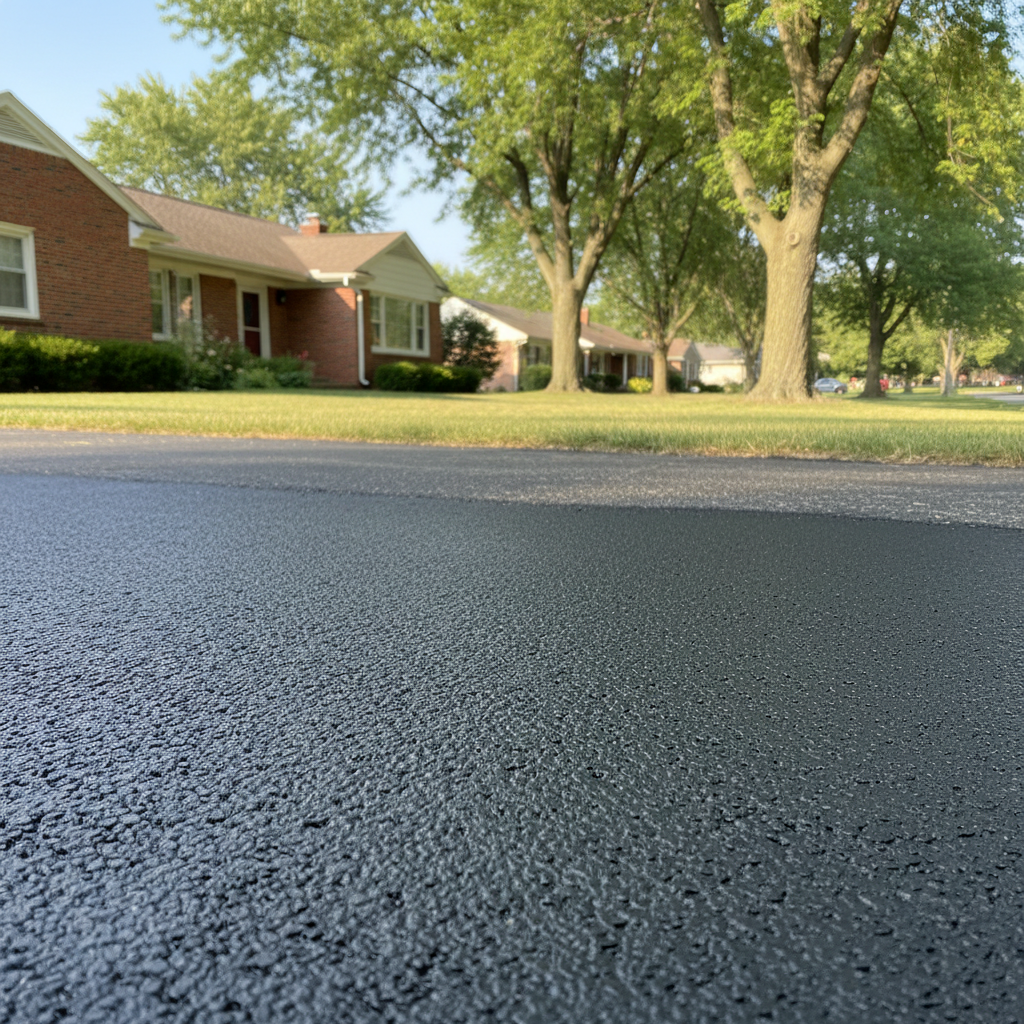
- Sealcoating: This isn't a repair at all, but a protective layer. After your asphalt is clean and any cracks or patches are done, we apply a liquid sealant over the whole surface. It protects against UV rays, water, and oil spills, making your driveway last longer and look great. It's like putting sunscreen on your skin or painting your house. You do it to protect what's underneath, right?
Can I just fix a pothole myself with a bag of cold patch from the hardware store?
You can, sure. And for a really small, shallow pothole that just popped up, it might hold for a little while. But here's the deal: cold patch is a temporary fix, especially in our climate. It doesn't bond as well as hot asphalt, and it's not as dense. Water will find its way in, and with our freeze-thaw cycles here in Franklin Park, that little cold patch is likely to pop out or crumble within a year, sometimes even sooner. If you're selling your house next week and need a quick cosmetic fix, maybe. But for a repair that lasts, you really need a professional hot asphalt patch. We've got the right equipment to compact it properly, which is key.
How long do asphalt repairs usually last?
That really depends on the type of repair, how bad the original damage was, and how well the repair was done. A good crack fill, done with quality material and proper technique, can last 3-5 years. A hot asphalt patch? If we do it right, with good sub-base preparation and proper compaction, it can last 5-10 years, sometimes even longer, especially if you keep up with sealcoating. The key is addressing issues early. A small crack fixed today prevents a big pothole next year. Think of it as an investment – the better the initial repair and ongoing maintenance, the longer it holds up.
When is the best time of year to get asphalt repairs done?
For most asphalt repairs, especially patching, you want warmer, dry weather. Spring, summer, and early fall are ideal. The asphalt needs to be warm enough to be workable and to bond properly. Plus, you need dry conditions for the materials to cure right. Trying to patch a driveway in freezing temperatures or pouring rain is just asking for trouble; the repair won't last. Here at Marconi Band Paving Co, we typically schedule these types of jobs when temperatures are consistently above 50 degrees Fahrenheit. That gives us the best chance for a long-lasting repair.
My driveway has a lot of alligator cracking. What does that mean, and can it be repaired?
Ah, alligator cracking. That's those interconnected cracks that look like alligator scales. It's a sign that the asphalt surface itself is failing, usually because the sub-base underneath isn't stable, or the asphalt has just gotten old and brittle. It's often caused by water getting in and weakening the foundation over time, or heavy traffic loads. Can it be repaired? Sometimes. If it's localized to a small area, we can cut out that section and do a full-depth patch. But if it's widespread across your whole driveway, patching becomes less effective and more expensive in the long run. At that point, you're usually looking at milling and overlaying the entire surface, or even a full replacement, because the problem isn't just on top, it's underneath too.
How do I know if I need a repair or a full replacement?
This is the big question, right? It comes down to the extent and severity of the damage. If you've got a few isolated cracks or potholes, repairs are definitely the way to go. If your driveway has widespread alligator cracking, significant heaving or sinking, drainage issues that are causing constant puddles, or if the asphalt is just completely crumbling everywhere, then you're probably past the point of cost-effective repairs. Think of it like this: if your car needs a new tire, you replace the tire. If the engine block is cracked, you're probably looking at a new engine, or even a new car. We can come out and give you an honest assessment. We'll tell you if a repair will genuinely extend the life of your driveway, or if you're just throwing good money after bad and a replacement is the smarter move.