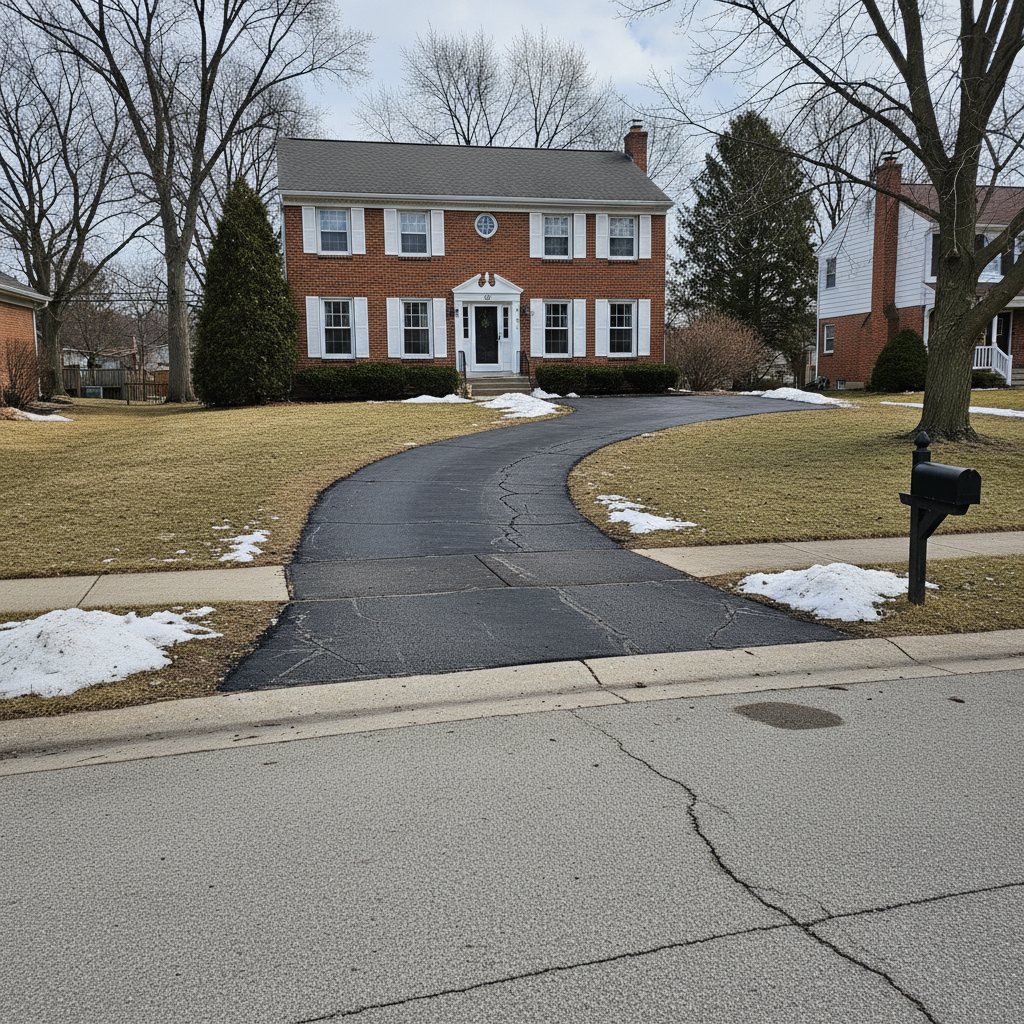
Alright, Franklin Park homeowners, let's talk about your asphalt. I've seen too many good driveways get hammered by our crazy Illinois weather because folks didn't know when to call us or what to look out for. You've got an investment sitting right there, right under your cars, and protecting it means really understanding our local climate.
When's the Best Time for Asphalt Repair?
You might think any warm day is good for asphalt work, but honestly, it's a bit more nuanced than that. For major repairs, resurfacing, or putting down new paving, you're really looking for a sweet spot in the weather. The asphalt mix needs to stay hot during installation and then cool down gradually. This helps it compact properly and bond strong, which is key for a lasting surface.
- Spring (Late April to June): This is prime time, truly. After winter's freeze-thaw cycles, you'll see the damage clearly — all those cracks and potholes become obvious. Temperatures are usually consistently above 50°F and rising, which is just right for crack sealing materials to bond correctly. Plus, asphalt plants are fully operational by then, so materials are readily available, which means less waiting for your project.
- Summer (July to Early September): Still a good window, especially early to mid-summer before the hottest days hit. Warm weather helps the asphalt cure faster, which is a definite plus. However, extreme heat, say above 90°F, can make the asphalt too soft. This makes it tough to get a smooth, even finish, and no one wants that. If it's too hot, we might schedule work for early mornings or late afternoons to avoid the midday sun.
- Fall (Late September to October): This can also be a good time, particularly for crack sealing. After the summer heat, cracks are at their widest, allowing the sealant to penetrate better and create a stronger repair. But you've got to beat the frost, which can sneak up on us quickly here in Franklin Park. Once temperatures consistently drop below 50°F, it's not good for proper compaction, adhesion, or curing, and that's not something you want to mess with.
- Winter (November to March): Forget about it for major work. Freezing temperatures prevent asphalt from bonding and curing properly. Water that gets into cracks, freezes, and expands is exactly what causes those potholes you see every spring. You definitely don't want to lay fresh asphalt only for it to get damaged by snow removal just weeks later.
Weather Conditions That Affect the Work
It's not just the season; daily weather matters a lot. Here's what we're always watching when we're planning a job:
- Temperature: Like I said, 50°F and rising is generally the sweet spot for paving and major repairs. For sealcoating, you usually need surface temperatures above 40°F, but 50°F is even better for proper curing. If it's too cold, asphalt cools too fast. This can lead to issues like poor compaction and premature cracking, which means your investment won't last as long.
- Rain and Humidity: Moisture is asphalt's enemy during installation. Rain delays everything because water trapped underneath compromises the base and weakens the pavement. Even high humidity can slow down the curing process. We really need dry conditions for a good, lasting job — that's non-negotiable.
- Sunlight: Sunny days are great because direct sunlight helps the surface heat evenly and promotes faster curing. But again, too much scorching sun in mid-summer can make the asphalt too soft. So, it's a balancing act to find that perfect day.
Protecting Your Asphalt Investment Year-Round
You've shelled out good money for your driveway, so let's keep it looking good and lasting long. Our Franklin Park soil, often clay-heavy and prone to poor drainage, means water management is key. If water sits on your asphalt, it's going to find its way in and cause trouble, especially with our freeze-thaw cycles. Why does that matter? Because those cycles can really tear up a surface.
Here's what you can do:
- Keep it Clean: Sweep off dirt, leaves, and debris regularly. This prevents organic matter from breaking down on the surface and keeps water from pooling, which happens more than you'd think.
- Address Spills Immediately: Oil, gas, and other chemicals can break down the asphalt binder. Clean them up as soon as they happen; it's a simple step that makes a big difference.
- Sealcoating: This is your asphalt's sunscreen and raincoat. A fresh sealcoat every 2-3 years protects against UV rays, moisture, and chemicals. It's best done in late spring or summer when temperatures are warm and stable for proper curing.
- Crack Filling: Don't wait for small cracks to become big problems. Water gets into those cracks, freezes, expands, and turns them into potholes. Get them filled in the fall when cracks are widest for better penetration, or in the spring once temperatures are consistently above 40°F. This is a simple, cost-effective way to extend your asphalt's life, honestly.
- Proper Drainage: Make sure water flows *off* your driveway, not *onto* it or *under* it. If you've got standing water issues, that's something Marconi Band Paving Co can help you assess. Good drainage is important for longevity, especially in our area.
- Don't Overload It: Avoid parking heavy machinery or vehicles on your residential driveway for extended periods if it wasn't designed for that weight.
Look, maintaining your asphalt isn't rocket science, but it does take a little attention and understanding of our local climate. A little proactive care goes a long way in saving you from bigger, more expensive repairs down the road. If you're unsure about the best approach for your Franklin Park property, just give us a call. We're here to help you keep your asphalt in great shape.