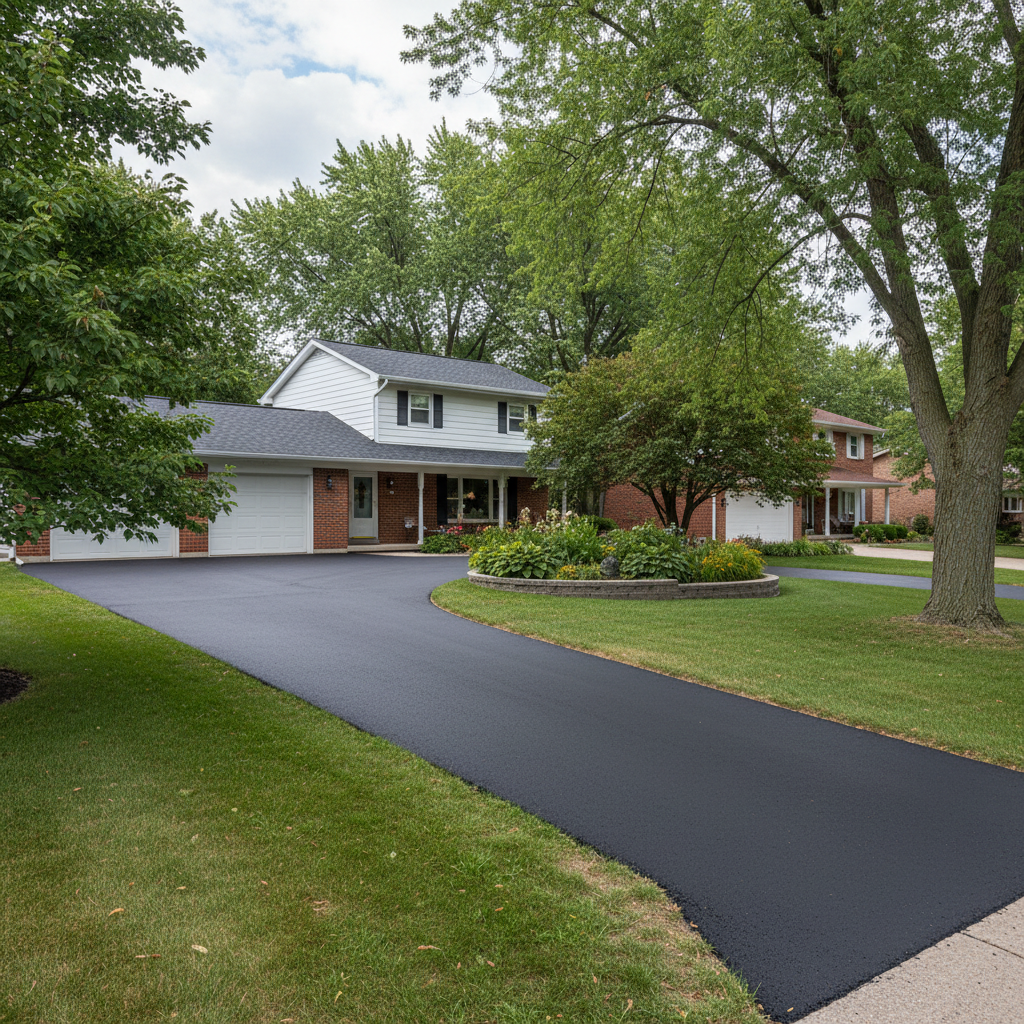
So, you're thinking about a new driveway? Maybe the one you've got is just too cracked to fix, or you just bought a place and the existing one is, well, a disaster. Whatever the reason, putting in a new asphalt driveway is a big deal, and you absolutely want it done right. As someone who's been paving driveways around Franklin Park for years, I've seen it all. Here’s what you really need to know to plan your project without pulling your hair out.
Setting Your Project Timeline
First things first: let's talk about timing. This isn't a quick weekend DIY job, and the best contractors aren't just sitting around waiting for your call. You'll want to start planning way ahead of when you actually want the work finished. I'd suggest giving yourself at least 2-3 months of lead time, especially if you're hoping for spring or fall.
- Looking Around & Getting Prices (4-6 weeks): This is where you make some calls, get a few estimates, and check references. Don't rush this part. A good contractor will be busy, so just getting them out for a quote might take a week or two.
- Making Your Choice & Booking (1-2 weeks): Once you pick a contractor, you’ll need to sign a contract and get on their schedule. Depending on the time of year, this could mean waiting a few weeks or even a month or two.
- Permits (It Varies): You'll want to check with the Village of Franklin Park building department. For most residential driveways, you might not need a full-blown permit, but it's always smart to confirm. Some projects, especially if you're changing the footprint or dealing with drainage, could definitely require one. If so, factor in a couple of weeks for that.
- Construction (1-3 days): The actual paving work itself is usually pretty fast for a home driveway. Most jobs are done in a day or two, maybe three for a really big or complicated one.
- Curing Time (7-14 days): After the paving, you can't just drive on it right away. Asphalt needs time to cure and harden. Your contractor will tell you exactly how long, but it's typically a week, sometimes two, before you can put heavy vehicles on it.
So, from thinking about it to actually driving on it, you're looking at a few months. Plan ahead!
What to Expect During the Process
When it's finally time to start, here’s what will happen. It’s a pretty standard process, but knowing the steps helps you understand what's going on.
- Demolition and Excavation: If you've got an old driveway, we'll rip it out. That means heavy machinery, noise, and dirt. We'll haul away all the old material. Then, we'll dig out the area to the correct depth, making sure the ground underneath is solid.
- Grading and Base Preparation: This step is absolutely critical. We'll grade the area to make sure water drains away from your house. Nobody wants water pooling on their new driveway or, worse, against their foundation. Then, we'll lay down a crushed stone base. This base gets compacted super tightly – it's the foundation of your driveway, so it has to be perfect. Around here, with our clay soils, a good, thick, well-compacted base is just non-negotiable.
- Binder Layer (if needed): For thicker driveways, we might put down a binder course first. This is a coarser asphalt mix that adds strength and stability.
- Asphalt Surface Layer: This is the smooth, finished layer you see. We'll lay down the hot asphalt, then compact it with heavy rollers. This is where the magic happens, turning that loose asphalt into a solid, durable surface.
- Finishing Touches: We'll make sure the edges are neat and clean up the site. Then, the waiting game begins while it cures.
It's a noisy, sometimes messy process, but it's temporary. Your contractor should keep you informed every step of the way.
How to Prepare Your Property
Before the crew shows up, do yourself and your contractor a favor:
- Clear the Area: Move cars, boats, trailers, basketball hoops, potted plants, garbage cans – anything that's on or near the driveway.
- Trim Landscaping: If you have bushes or trees hanging over the driveway, trim them back. It gives the crew room to work and prevents damage to your plants or our equipment.
- Mark Sprinklers/Invisible Fences: If you have an irrigation system or an invisible pet fence running under or near the driveway, mark the lines clearly. We really don't want to accidentally cut them.
- Arrange Parking: You won't have access to your driveway for a few days, so figure out where you'll park your vehicles. Talk to your neighbors if you need to borrow a spot.
- Keep Kids and Pets Away: Construction sites are dangerous. Make sure kids and pets are kept well away from the work area for their safety.
Questions to Ask Before Signing a Contract
Don't just pick the cheapest bid. A good contractor will be happy to answer all your questions. If they're not, that's a red flag, right?
- What's your experience with residential driveways in Franklin Park? You want someone who knows our local conditions, like the freeze-thaw cycles we get every winter.
- Can you provide references from recent jobs? And actually call them! Ask about the quality of work, communication, and if the job finished on time and on budget.
- What's included in the price? Get a detailed breakdown. Does it include excavation, hauling away old material, base preparation, asphalt layers, and cleanup? What about drainage solutions?
- What kind of base will you use, and how thick will it be? A strong base is everything. Don't let anyone skimp here. For a typical residential driveway, you're looking for at least 6-8 inches of compacted aggregate base.
- How thick will the asphalt layers be? You want a good, durable surface. For residential, I usually recommend at least 2.5-3 inches of compacted asphalt.
- What kind of warranty do you offer? A reputable company like Marconi Band Paving Co will stand behind their work. Ask about material and workmanship warranties.
- Are you licensed and insured? This isn't just a formality. It protects you if something goes wrong. Ask for proof of liability insurance and workers' compensation.
- What's the payment schedule? A small deposit is normal, but be wary of contractors asking for a huge upfront payment. Final payment should be due upon satisfactory completion.
- What's the estimated start and completion date? Get it in writing.
- How will you handle unexpected issues? Sometimes things come up, like finding old concrete or a buried pipe. Discuss how those will be addressed and if they'll impact the cost.
Asking these questions will help you find a reliable contractor and ensure your new driveway project goes smoothly. It's your investment, so make sure you're comfortable with who you're hiring and what they're doing.