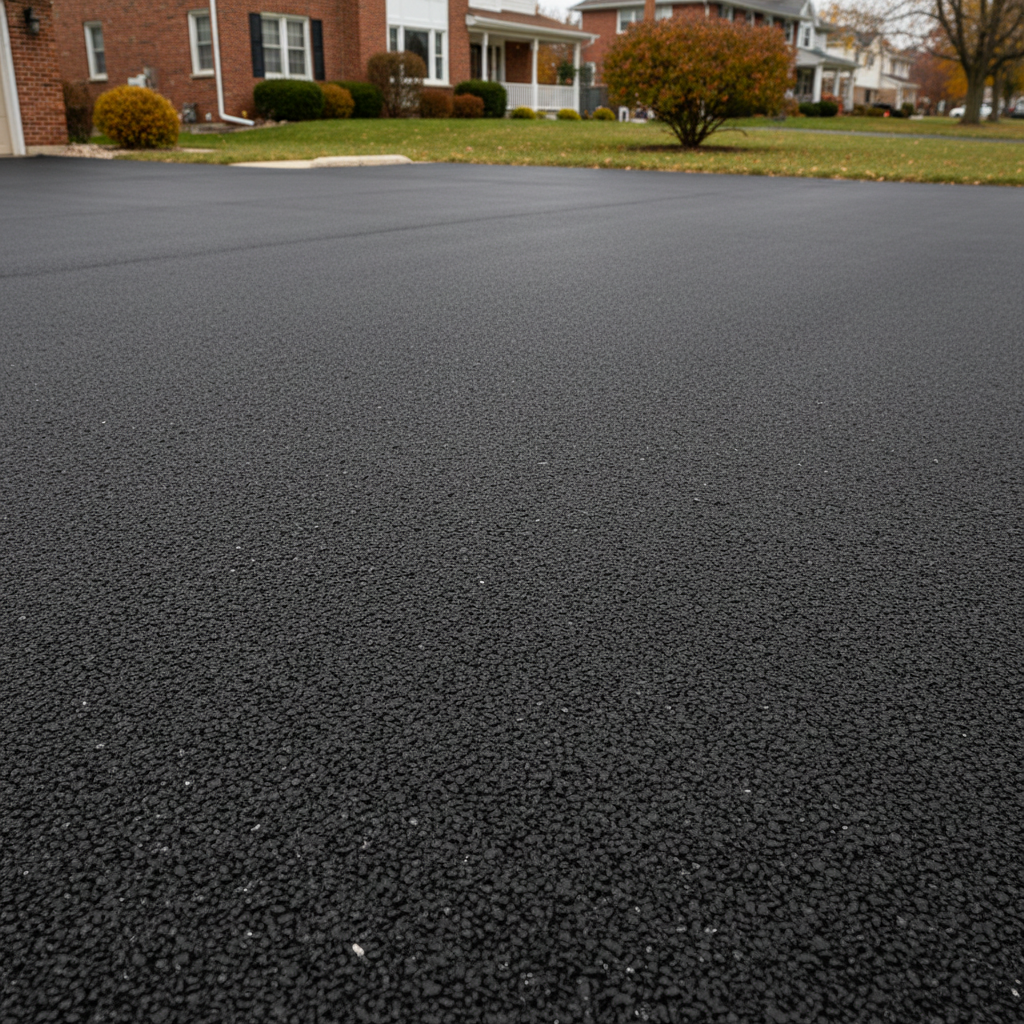
Got a big family? Run a business from home? Or maybe you're just plain tired of parking on grass or gravel. Adding a paved parking area to your property can really change things for the better. But hey, it's not like patching a little pothole. There's way more to it than just throwing down some asphalt. As someone who's been doing this kind of work around Franklin Park for years, I've seen it all—the good, the bad, and the ugly. So, let's chat about what you really need to know.
Before You Even Think About Paving
First off, don't just grab a shovel and start digging. You've got to plan. And I mean *really* plan. What's this new area going to be used for? Just a couple of cars, or will you have heavier vehicles, maybe even an RV? The weight you expect will tell us how thick the base and asphalt need to be. Skimp here, and trust me, you'll be patching cracks faster than you can say 'pothole season.'
Next up: permits. Yeah, I know, nobody loves dealing with the village, but you absolutely, positively need to check with Franklin Park's building department. There could be rules about how close you can build to property lines, specific drainage requirements, or limits on how much of your property can be paved. Ignore this stuff, and you could face fines or even have to rip out your brand new parking lot. That's a headache you definitely want to avoid.
Drainage is huge. Seriously, it's probably the most critical part of any paving job, especially around here with our clay-heavy soils. Water needs a place to go. If it just sits on your asphalt, it'll seep underneath, freeze, expand, and then—bam!—you've got cracks and heaving. You'll need to think about the slope of your lot and where that water will run off to. Sometimes, you might even need catch basins or French drains. This isn't really a DIY job for most homeowners; you truly want a pro to look at your site and design a proper drainage plan.
What You Can (and Can't) DIY
So, what can you realistically do yourself? Not much when it comes to actually paving a parking lot. A small patch? Maybe. A whole parking area? Forget about it. Here's why:
- Excavation and Base Prep: You need heavy equipment to dig out the area right and compact the subgrade. Then you've got to lay down several inches of crushed aggregate (like CA-6 stone) and compact that too, in layers. This isn't just shoveling dirt; it's about building a stable, well-drained foundation. If the base isn't solid, your asphalt won't last.
- Asphalt Application: Asphalt needs to be laid at a specific, super-hot temperature—usually around 300 degrees Fahrenheit—and then compacted immediately with heavy rollers. You can't just buy hot asphalt at Home Depot, and even if you could, you don't have the gear to spread and compact it correctly. Trying to hand-trowel a whole parking lot? That's a recipe for a bumpy, uneven mess that'll fall apart in a year, believe me.
- Grading and Sloping: Getting the right slope for drainage is both an art and a science. It takes precise grading equipment and a lot of experience. If it's off by even a little bit, you'll end up with standing water.
What you *can* do yourself is a lot of the initial legwork. You can clear brush, mark out the area, and even do some basic digging if you're renting equipment and know what you're doing. But for anything beyond that, especially the base and the asphalt itself, you really need professionals. That's where a company like Marconi Band Paving Co. steps in. We've got the equipment, the crew, and the know-how to get it done right.
During the Project: What to Expect
Once you've got a contractor lined up, they'll handle the heavy lifting. Expect some noise and dust, naturally. They'll excavate, bring in the base material, compact it, and then lay the asphalt. Good contractors will keep you in the loop about the timeline and any potential issues that pop up. Don't be afraid to ask questions, by the way. You're paying for this, so you should understand what's happening.
After the Paving: Care and Maintenance
Your new parking lot isn't just maintenance-free, unfortunately. After it's paved, you'll need to let it cure. That means no driving on it for a few days, sometimes longer if it's really hot out. Your contractor will give you specific instructions, of course.
Once it's cured, you'll want to keep an eye on it. Small cracks can show up over time, especially with our freeze-thaw cycles here in Franklin Park. Catching these early with a good crack filler can stop them from becoming bigger problems. Every couple of years, depending on traffic and how much wear it gets, you'll want to think about sealcoating. This protects the asphalt from UV rays, water, and chemicals, extending its life quite a bit. Think of it like sunscreen for your pavement.
Keep it clean too. Sweep off debris, oil spills, and anything that could break down the asphalt. The better you care for it, the longer it'll last, saving you money in the long run. A well-maintained parking lot adds value and curb appeal to your home, doesn't it?
Final Thoughts
A new paved parking area is a big investment, but it's one that really pays off in convenience and property value. Don't cut corners, especially on the base and drainage. Get the permits, find a reputable contractor, and then take good care of your new pavement. Do all that, and you'll have a solid, good-looking parking area for years to come.