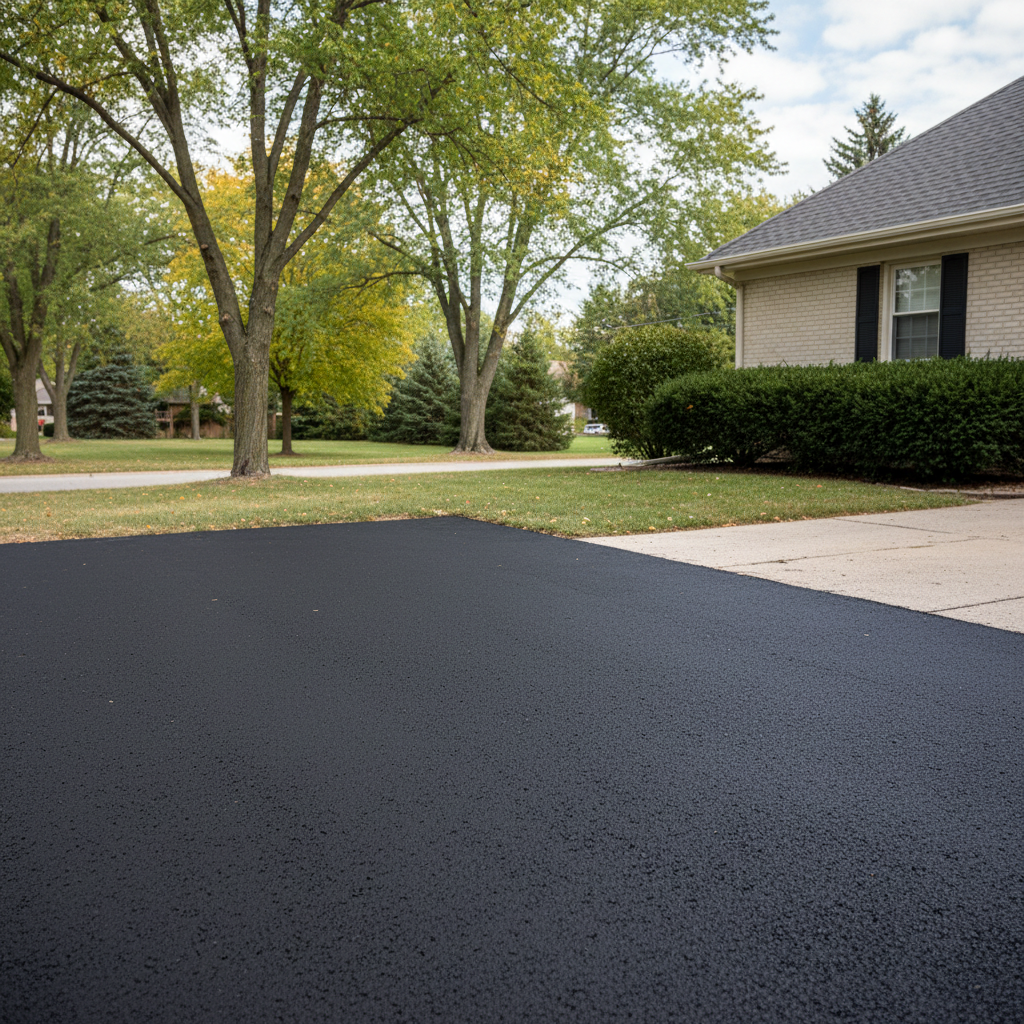
Alright, so you have had some asphalt patching done, maybe it was a small pothole in your driveway or a bigger section in your parking lot. Good call getting it fixed! But here is the thing: a patch is not a 'set it and forget it' kind of deal, especially not here in Franklin Park. Our Illinois weather, with those brutal freeze-thaw cycles and hot, humid summers, is constantly trying to undo all that good work. You have to be smart about maintaining it if you want that asphalt repair to actually last in Franklin Park.
Make Those Patches Last Longer
Extending the life of your asphalt patch really comes down to a few important things. Think of it like taking care of anything else you want to stick around for a while.
- Keep it Clean: Sounds simple, right? But dirt, gravel, leaves, and even chemical spills can break down asphalt over time. Sweep your patched areas regularly in Franklin Park. If you spill oil or gas, clean it up fast with a good degreaser. You do not want that stuff sitting there eating away at the binder in your Franklin Park asphalt.
- Seal the Deal: This is very important. Sealcoating is not just for making your whole driveway look pretty; it is a protective shield. It guards against UV rays from the sun, water seeping in, and those nasty chemicals. For a residential driveway in Franklin Park, you are looking at sealcoating every 2-3 years. Commercial lots with more traffic might need it more often. Just make sure the patch has cured properly before you sealcoat over it – usually 6-12 months for new asphalt patching in Franklin Park.
- Do Not Let Water Sit: Water is asphalt's worst enemy, especially around here in Franklin Park. If water pools on or near your patch, it is going to find a way in. Make sure your drainage is good. If you have standing water after a rain, that is a problem you need to address. This is important in areas like the residential streets off Mannheim Road in Franklin Park, where sometimes the grading is not perfect, and water can collect.
- Watch the Weight: Try not to park heavy vehicles directly on a newly patched asphalt area for too long, especially in hot weather. The asphalt patch needs time to fully settle and harden.
Regular Maintenance: Your Eyes and Ears
You do not need to be an asphalt expert to keep an eye on things. Regular checks are your best defense against bigger, more expensive asphalt problems down the road in Franklin Park.
- Spring and Fall Inspections: I tell all my Franklin Park clients to walk their asphalt twice a year – once in the spring after the snow melts and again in the fall before winter hits. Look closely at your asphalt patches.
- Small Cracks, Big Problem if Ignored: If you see new, small cracks forming around the edges of your asphalt patch, or even within it, get them filled. A crack that is wider than a quarter-inch is an open invitation for water to get into the base layer, and that is when real trouble starts for your Franklin Park asphalt. Water expands by about 9% when it freezes, and that expansion is what wrecks pavement from the inside out around here.
- Clean Out Debris: Keep leaves, dirt, and other junk out of any cracks or depressions in your asphalt. This stuff holds moisture, which just makes things worse for your Franklin Park asphalt.
Warning Signs You Can Not Ignore
Your asphalt will tell you when it is struggling. You just have to know what to look for. These are the red flags that mean your asphalt patch, or the surrounding pavement in Franklin Park, is having issues:
- New Cracks or Widening Cracks: This is probably the most obvious. If you see cracks spreading from the asphalt patch, or the patch itself is cracking, water is likely getting in and weakening the base of your Franklin Park asphalt.
- Potholes Forming Nearby: A new pothole is not just a surface issue; it means water got into a crack, weakened the base, and traffic broke the surface apart. If they are popping up around your asphalt patch in Franklin Park, the whole area might be compromised.
- Soft or Spongy Spots: If you walk on your asphalt, especially on a warm day, and it feels soft or spongy underfoot, that is a bad sign. It often means the base is saturated with water or the asphalt itself is weakening.
- Uneven Surfaces, Dips, or Sinking: If the asphalt patch itself is sinking, or the area around it is developing depressions, that points to a problem with the sub-base underneath. This could be because of poor compaction when it was installed or water eroding the material.
- Alligator Cracking: This looks like a series of interconnected cracks, like an alligator's skin. It is a serious warning sign that the structural foundation of the asphalt is failing, not just the surface.
- Crumbling Edges: If the edges of your asphalt patch or the surrounding pavement are breaking apart and loose gravel is everywhere, that is called raveling or crumbling. It means the asphalt binder is failing.
- Water Pooling: Again, if you see standing water on the asphalt patch or nearby after it rains, your drainage is not doing its job for your Franklin Park property.
- Fading to Gray: New asphalt is black. Over time, UV rays oxidize it and it can fade to gray. While some fading is normal, an overly faded surface means the asphalt is losing its flexibility and becoming brittle, making it more prone to cracking in Franklin Park.
When to Call a Professional
Look, a lot of minor stuff you can handle yourself. But there are times when you really need to bring in the pros for your Franklin Park asphalt. Do not wait until a small problem turns into a major headache and a much bigger bill.
- Cracks Wider Than a Quarter-Inch: You can fill smaller ones, but anything bigger needs professional asphalt attention to make sure it is sealed right and does not just open up again next winter in Franklin Park.
- Potholes That Keep Coming Back: If you have patched a pothole and it reappears in the same spot, that tells me there is an underlying issue with the base or drainage that a simple asphalt patch is not going to fix.
- Alligator Cracking: This is not a DIY job. Alligator cracks mean the foundation is shot, and you will need more than a simple asphalt patch. It often requires removing the damaged section and rebuilding the base.
- Large Areas of Deterioration: If you have widespread cracking, crumbling, or important unevenness in your Franklin Park asphalt, it is time for an expert opinion. You might need milling and resurfacing, or even a full-depth repair, where we dig out the old stuff and rebuild from the ground up.
- Drainage Issues: If water is consistently pooling and not draining off your property in Franklin Park, that is a job for someone who understands grading and proper water flow. This is especially true for commercial properties where poor drainage can lead to liability issues.
- Anytime You Are Unsure: Seriously, if you are looking at your asphalt in Franklin Park and you are just not sure what is going on, pick up the phone. It is always better to get an inspection early for your asphalt paving.
Here at Marconi Band Paving Co, we have seen it all in Franklin Park. From the small driveways in the residential areas to the big parking lots off Grand Avenue, we know what our local climate does to asphalt. Getting an asphalt patch done is a good start, but protecting that investment with smart maintenance and knowing when to call for help is how you keep your Franklin Park pavement looking good and lasting long.