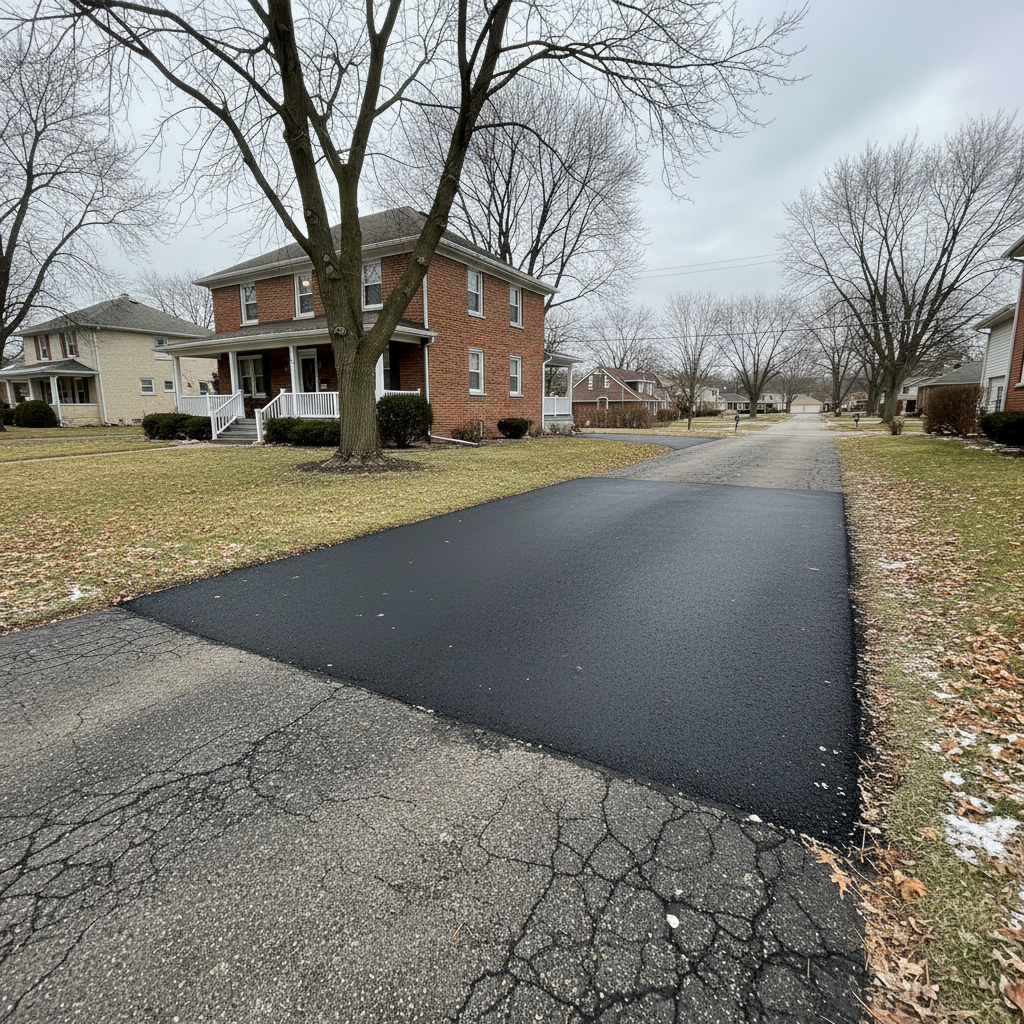
You've got a pothole. Or maybe a spiderweb of cracks that just keeps getting worse week after week. It's not just an eyesore, right? It's a trip hazard, and honestly, a big sign your asphalt needs some love. But when's the *best* time to get it patched here in Franklin Park? And what about the weather? Let's dig into that.
Getting Your Asphalt Patching Done at the Right Time
When you're patching asphalt, timing really is everything. You can't just throw down hot mix whenever you feel like it, especially not with our wild Illinois weather. The best times for patching usually fall in spring and autumn. Why those seasons, you ask?
Spring: Once the ground thaws out and the really wet season finally passes, spring becomes prime time. Temperatures start climbing, which is great because it helps the new asphalt bond properly with the old stuff. Plus, you absolutely want to fix those winter-induced potholes before they grow into craters and cause even more damage.
Fall: Before that deep freeze truly sets in, fall offers another fantastic window. The ground's still warm, and you're not battling the scorching heat of summer or the constant downpours of early spring. Getting patches done in the fall means your driveway is all set to take on winter's abuse.
Trying to patch in the dead of winter? Generally a terrible idea. Cold temperatures make the asphalt stiff, making it super hard to work with. It just won't compact right, and that patch won't last a lick. Summer patching can work, but on really hot days, the asphalt can get too soft. It might not cure as well, especially if cars are constantly driving on it.
Weather Conditions That Really Matter for Patching
It's not just about the season; the day-to-day conditions play a huge role too. Here’s what we look for when Marconi Band Paving Co. is out patching driveways:
Temperature: We need the air temperature to consistently stay above 40-50 degrees Fahrenheit. The ground temperature is just as important, by the way. If the ground's too cold, the patch won't stick correctly, and you'll be looking at a failed repair pretty fast.
Dry Conditions: This is a big one, folks. You simply cannot patch asphalt effectively if it's raining or if the area is soaking wet. Water stops proper bonding dead in its tracks. The surface needs to be dry, clean, and free of any debris. If we show up and it's pouring, we'll have to reschedule. It’s just not worth doing a shoddy job that won't hold up.
No Extreme Heat: We need warmth, sure, but extreme heat (like those 90+ degree days we sometimes get in July) can actually be a problem too. It can make the asphalt too runny and tougher to work with precisely. Plus, our crew isn't exactly thrilled about working in that kind of heat either!
So, if you're thinking about getting some patching done, keep a close eye on the forecast. A few days of dry, moderate weather? That's the sweet spot.
Keeping Your Investment Safe Year-Round
Getting those patches done is a great first step, but protecting your asphalt driveway in Franklin Park is an ongoing task. Our local freeze-thaw cycles are brutal on pavement, especially with the clay soil we often have around here, which holds moisture and can expand and contract. Here’s how you can help your patches—and your whole driveway—last longer:
Clean It Regularly: Sweep off leaves, dirt, and any other debris. Organic matter can trap moisture, and chemicals from car leaks can actually break down the asphalt.
Address Spills Immediately: Oil, gas, and other automotive fluids are asphalt's arch-enemy. Clean them up right away to prevent staining and deterioration.
Mind Your Weight: Try not to park really heavy vehicles, like RVs or commercial trucks, on your residential driveway for long periods. That extra weight can cause stress and cracks, especially in areas that have been patched. It's just too much.
Sealcoating: This is probably the single most important thing you can do after patching. Once your patches have cured (give it a few weeks), a good sealcoat will protect your entire driveway from UV rays, water seeping in, and oxidation. Think of it like sunscreen for your asphalt, and it makes everything look uniform again.
Don't Let Small Problems Grow: See a new crack? Don't just ignore it! Small cracks are cheap to fill; big potholes, on the other hand, are expensive to repair. Regular inspections, especially after winter, can catch issues before they turn into major headaches.
Taking care of your asphalt isn't just about fixing what's broken; it's about stopping future damage. A little proactive maintenance goes a long way in extending the life of your driveway and keeping it looking good. If you've got questions about patching or maintaining your asphalt, give us a call. We're always here to help.